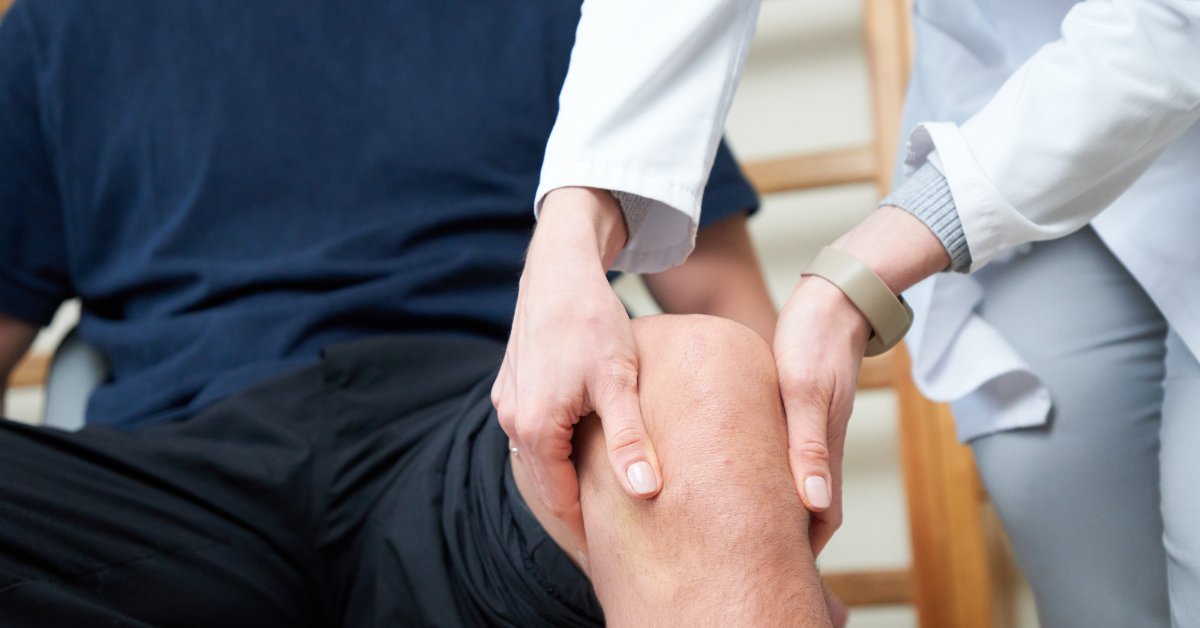
A sports injury can create changes that can include pain or movement limitations. Once tissue sustains damage, the body begins a biological response that manages the injury and initiate’s repair. Looking beneath the symptoms provides important context for understanding how regenerative treatments relate to sports medicine.
Understanding the science behind regenerative biologics in sports medicine begins with examining that response and the processes already underway within the injured area. Regenerative treatments use biological materials to support aspects of the body’s existing recovery activity, giving physicians options they can consider based on the injury and the purpose of treatment. How a biologic fits into care ultimately depends on the specific problem the physician aims to address and the patient’s recovery needs.
How the Body Responds to a Sports Injury
After tissue sustains an injury, cells in the affected area release signals that coordinate the body’s response. These signals influence activity involved in repair as the body works to manage damaged tissue. The biological response can continue even after the initial pain or swelling changes.
Changes in symptoms don’t always reflect how much physical stress the injured structure can tolerate. An athlete may notice less discomfort even though the tissue still needs time to recover. Sports medicine physicians can consider both the tissue’s condition and the changes the patient notices.
What Are Regenerative Biologics?
Regenerative biologics use biological materials to support processes associated with tissue recovery. The category includes different approaches, each with its own characteristics and intended clinical use. Physicians can consider a specific biologic when its purpose makes sense for the musculoskeletal concern they are addressing.
Platelet-rich plasma, commonly called PRP, provides one example. Clinicians prepare PRP from a patient’s own blood and concentrate the platelets before using the preparation at a targeted treatment area. Platelets contain signaling molecules associated with the body’s response to tissue injury, which provides the scientific rationale for considering PRP in regenerative care.
The term “regenerative biologics” can make these treatments sound more uniform than they are. Different biological materials don’t necessarily interact with injured tissue in the same way or serve the same clinical purpose. Recognizing those distinctions explains why physicians evaluate the specific treatment instead of treating regenerative medicine as a single intervention.
How the Treatment Environment Influences Regenerative Care
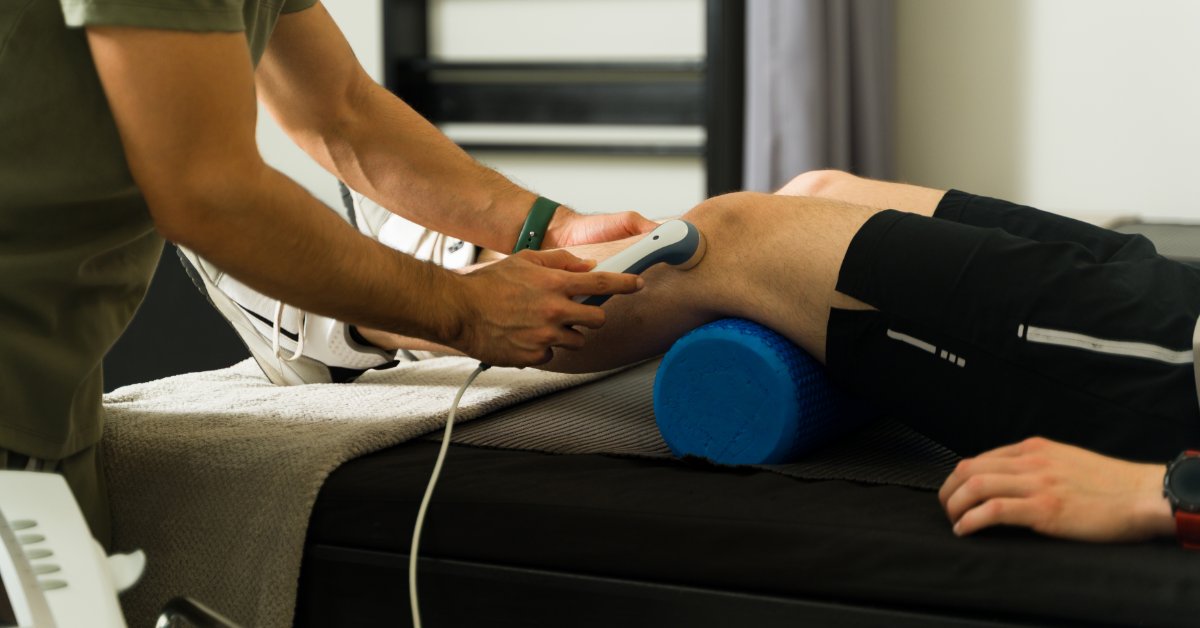
When physicians consider a regenerative biologic, they also must account for the environment created by the injury itself. Changes within the affected area occur alongside the forces that normal movement continues to place on the structure, both of which can influence the conditions surrounding treatment.
Increasing activity can place additional stress on a structure that may already tolerate everyday movement comfortably. Exercise introduces greater physical demands, so clinicians have to consider how the injured area responds as those demands increase. A biologic procedure cannot control every force the recovering structure encounters after treatment.
Why the Injured Tissue Changes the Treatment Question
Because tendons and ligaments perform different functions, injuries to these structures can create different concerns for recovery. Tendons transfer force between muscle and bone, while ligaments maintain stability around a joint. Damage to either structure may limit activity, but the underlying tissue problem isn’t the same.
Depending on the structure involved, physicians may also need to account for factors specific to muscle or joint injuries. The location of the damage can affect how much stress the area encounters during routine movement, making the injured structure an important consideration before a clinician evaluates a regenerative option.
Recognizing these differences allows clinicians to evaluate potential treatment in the context of the specific tissue involved. A physician can then determine whether a particular regenerative approach makes sense for the injury and the problem the treatment aims to address.
Treatment Doesn’t End With the Biologic Procedure
Even when a regenerative procedure supports the biological side of recovery, the injured area still has to regain the physical capabilities required for movement. After a period of reduced activity, an athlete may need to rebuild strength or restore the control needed to move comfortably.
As the person resumes exercise, gradually increasing physical demands can help determine how well the recovering area handles greater workloads. The body must tolerate those demands without exceeding the capacity of the injured structure, making functional progression a separate part of recovery from the biologic procedure itself.
By recognizing the difference between biological support and functional recovery, physicians can better define what regenerative treatment contributes. A biologic may address a specific clinical need, while the patient’s return to function depends on how the injured area responds as activity increases.
Why Athlete Demands Matter to the Recovery Strategy
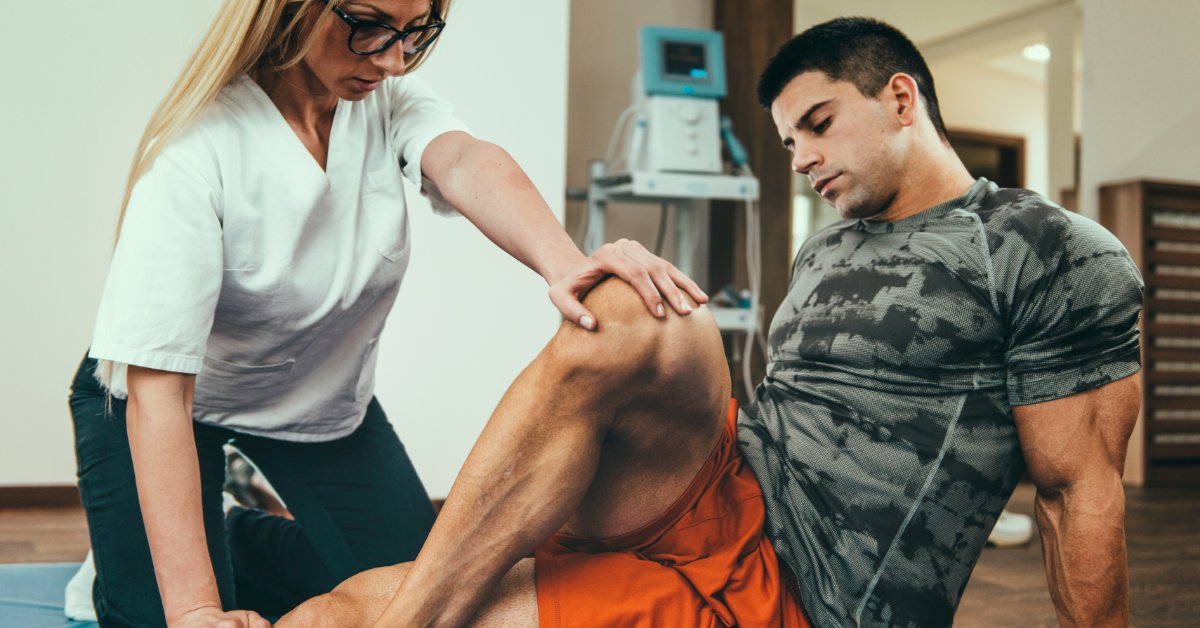
The physical demands an athlete needs to regain can vary considerably depending on the activity. A recreational runner may need the recovering area to tolerate repeated loading across many steps, while a basketball player may need to handle forceful changes in direction. Differences in training frequency can further affect how much workload the injured structure will eventually need to manage.
Accounting for the athlete’s intended activity gives sports medicine physicians a more specific target for functional recovery. The goal extends beyond whether the injury feels better and considers whether the recovering area can support the demands the person expects to place on it.
Where Regenerative Biologics Fit in Sports Medicine
Physicians don’t need a regenerative treatment simply because an injury involves muscle or connective tissue. The clinical question centers on whether a particular biologic has a reasonable purpose for the problem the physician wants to address. Some injuries may call for a different treatment approach altogether.
Determining where a biologic fits requires physicians to connect the treatment’s intended purpose with the injury in front of them. The condition of the affected structure provides part of that context. A physician can then assess whether adding a regenerative option makes sense within the patient’s care.
Connecting Biology With Sports Medicine
The science behind regenerative biologics in sports medicine extends from the body’s response to injury to the clinical use of biological treatments. Knowing how an injured structure responds gives physicians a foundation for considering whether a regenerative option has a meaningful purpose in care. Functional recovery then addresses what the person needs from that structure once activity resumes.
Synaptic Sports & Longevity provides physician-guided care for athletes and active adults considering regenerative treatment for sports-related concerns. Patients interested in regenerative medicine in Las Vegas can schedule an evaluation to discuss whether a regenerative approach may fit their individual needs and goals.