

Mobility affects more than whether someone can complete a workout or move comfortably through a particular exercise. The ability to manage different movements throughout the day contributes to how independently a person can participate in everyday life as the years progress.
The connection between function, mobility, and longevity becomes clearer when longevity includes consideration of what the body remains physically capable of doing. Maintaining physical function does not determine how long someone will live, but it can influence how well the body continues managing the activities and demands that matter to the individual.
Function Describes What the Body Can Do
Physical function refers to the body’s ability to perform movements and activities required for daily life. Although function can relate to athletic performance, it also applies to ordinary tasks such as getting out of a chair, climbing stairs, or carrying objects.
Completing these activities depends on different parts of the body working together to meet the demands of the movement. Strength can help generate the necessary force, but the body must also control that force as the person changes position or moves through an environment.
Looking at function this way shifts attention from isolated physical measurements toward practical ability. Adequate strength in one area does not necessarily mean the body can complete a more complex movement comfortably when several areas need to work together.
Mobility Helps Make Movement Possible
How effectively the body moves through the range required for an activity can influence whether that movement feels comfortable or restricted. Reaching overhead or bending through the lower body, for example, requires enough usable motion in the areas involved.
Limitations may become more noticeable when an activity requires movement beyond someone’s comfortable range. A restriction at one joint can also change how the body completes a larger movement when another area begins contributing differently to accomplish the task.
Mobility therefore has practical value beyond flexibility alone. The relevant question is whether the available range supports the movements a person needs to perform with appropriate control.
Function and Mobility Influence Each Other

Although function and mobility describe different aspects of physical ability, they continually interact during movement. Having adequate joint motion does not guarantee that a person can control a movement effectively, just as physical capacity cannot compensate for every mobility restriction.
Consider a movement such as stepping onto a high surface. The lower body needs enough available motion to reach the necessary position, along with the physical capacity to control the movement and complete the step. Evaluating the entire task can reveal more about current function than examining either mobility or physical capacity in isolation.
Changes in Movement Can Affect Everyday Independence
The importance of physical function becomes more apparent when limitations begin interfering with routine activities. Tasks that once required little thought can become more demanding when reaching a necessary position or controlling a familiar movement becomes difficult.
Those changes can influence which activities a person continues performing independently. Difficulty with stairs may affect how comfortably someone navigates certain environments, while reduced ability to move between standing and lower positions can make some activities at home more challenging.
Preserving practical movement capacity can help people continue participating in the routines that shape their daily lives. From a longevity perspective, physical function therefore remains relevant outside structured exercise or athletic performance.
Physical Capacity Needs Can Change With Age
The physical demands of daily life do not disappear as someone gets older, even though the body’s ability to meet those demands may change. Maintaining enough capacity for necessary movements can become increasingly important when the goal is to remain active and independent.
Athletic-level performance is not necessary for physical capability to matter. The more relevant benchmark is whether the body can manage the movements required by the activities that remain important to the individual.
Those requirements can differ considerably between people. Continuing a recreational sport may create different physical demands than traveling comfortably or managing routine activities at home, making function meaningful in relation to what each person wants to keep doing.
Movement Quality Can Reveal Functional Limitations
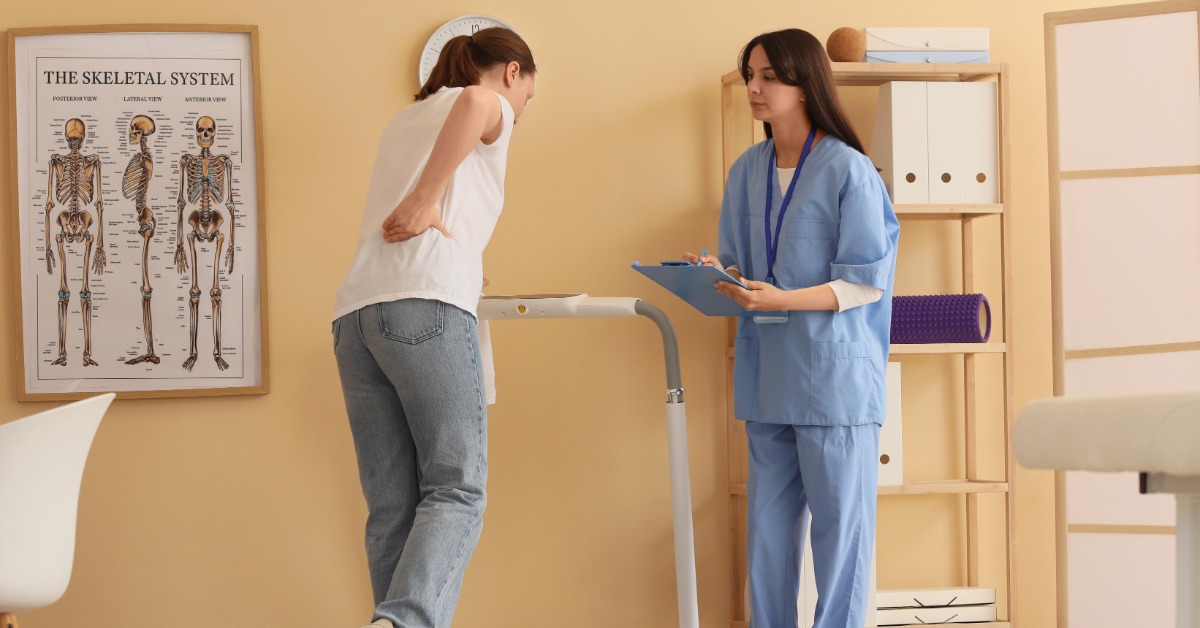
Even when a movement remains possible, the way the body performs it can change. A shortened stride or a shift away from one side, for example, may indicate that the body has adjusted its usual movement pattern when a position becomes more difficult.
Movement changes do not automatically identify a specific injury or condition, but observing them can provide useful information about where physical capacity may no longer match the demands of an activity. Evaluating how the entire movement occurs can therefore offer more context than simply determining whether the person can complete the task.
Supporting Mobility Involves More Than Staying Active
Regular physical activity can help maintain physical capacity, but staying active does not mean every movement limitation will resolve on its own. Repeatedly working around a restriction may allow a person to continue an activity without addressing what has changed in the movement itself.
When a limitation persists, a more targeted evaluation can examine the movement causing difficulty and determine where the restriction occurs. That information can help guide an approach based on the person’s current function and the physical demands they need to manage.
Why Function Belongs in the Longevity Conversation
Longevity discussions often include biological processes occurring inside the body, but physical capability provides information about how well the body manages real-world demands. Changes in movement can reveal a growing difference between what an activity requires and what the body can comfortably perform.
Recognizing that difference before an activity becomes impossible creates an opportunity to evaluate the underlying limitation while the person remains active. Function can therefore provide a practical reference point for assessing current physical capability and identifying areas that may deserve attention.
Mobility does not measure lifespan, and maintaining movement cannot guarantee longevity. Its relevance comes from showing how effectively the body continues handling the physical demands that accompany everyday activity.
Maintaining Function Requires an Individual Perspective
The connection between function, mobility, and longevity comes down to maintaining the physical capabilities required for the activities a person wants to continue performing. Those requirements can shift throughout life, making current movement and physical demands important considerations when evaluating functional needs.
At Synaptic Sports & Longevity, our physician-led approach considers movement and physical function within each patient’s health and longevity goals. To determine whether regenerative and sports medicine may fit your individual needs, schedule a consultation with our team.