
Public interest in advanced recovery treatments continues to grow, but many people still misunderstand how these therapies work and who can benefit from them. Within that context, addressing common myths about regenerative medicine matters because inaccurate assumptions can influence how patients approach care before they fully understand what these therapies involve.
Much of this confusion stems from outdated information or simplified messaging that does not reflect how clinicians apply these treatments in practice. Separating broad claims from medically grounded methods creates a more accurate framework, allowing patients to assess whether regenerative strategies align with their recovery goals, activity level, and long-term expectations.
Why Regenerative Medicine Is Frequently Misunderstood
Regenerative medicine combines biological science with clinical application, which makes it more complex than traditional treatment models. Simplified explanations frequently remove the context needed to understand how different therapies function and when providers use them.
Media coverage amplifies this confusion by focusing on outcomes without explaining the underlying process. Clinics may use inconsistent terminology, which makes it harder for patients to compare treatments or understand what a specific therapy involves. These gaps create a disconnect between perception and clinical reality, especially when patients rely on surface-level information instead of clinical guidance.
Myth: Results Are Immediate and Guaranteed
Many people assume regenerative therapies produce rapid and predictable outcomes. In practice, these treatments rely on the body’s internal repair processes, which require time.
The body responds to treatment based on tissue condition, health, and recovery capacity. Progress develops in stages as biological processes activate and adapt. Patients who expect instant results may misinterpret normal recovery timelines, which can lead to frustration despite measurable improvement. Clinicians typically monitor these changes to assess how the body responds and whether adjustments are necessary.
Myth: All Treatments Are the Same
Regenerative medicine includes a wide range of therapies that differ in composition and purpose. Grouping these treatments together removes important distinctions that influence how each one interacts with the body.
Variations in Biologic Materials
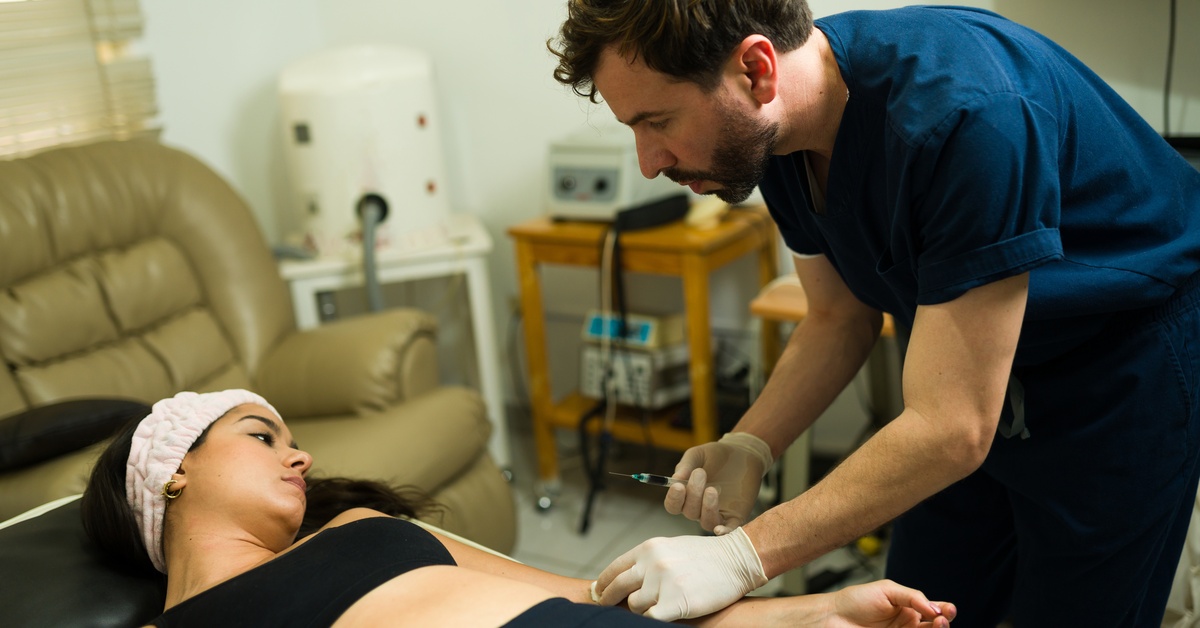
Different biologic materials influence tissue in specific ways, which shapes how providers apply them in treatment planning. Some therapies target localized tissue environments, while others affect broader physiological processes.
Providers choose these materials based on the condition being treated and the specific outcome they aim to achieve, while also accounting for how the body is likely to respond. Differences in how clinicians prepare and administer these therapies further distinguish each option, which highlights the need for individualized treatment planning.
Myth: It Replaces Traditional Medical Care
Some assume regenerative medicine replaces conventional medical care entirely. In reality, providers incorporate these therapies into broader treatment strategies that address multiple aspects of recovery.
Clinicians combine diagnostic tools, rehabilitation methods, and targeted interventions to create a coordinated plan. This allows them to address both immediate concerns and contributing factors that influence long-term function. Regenerative therapies integrate into that framework as part of a coordinated treatment strategy, reflecting a more comprehensive model of care.
Myth: Only Professional Athletes Use These Therapies
Professional athletes have increased visibility around regenerative treatments, but they do not define the majority of patient population. Active adults, individuals recovering from injury, and those managing joint health frequently pursue these options based on their needs.
Broader Applications for Active Adults
People who maintain consistent physical activity often look for ways to support recovery without interrupting their routine. Providers integrate regenerative strategies into these plans to align with ongoing performance demands.
This broader use reflects a shift toward proactive care. Patients no longer wait for severe limitations before seeking treatment, which changes how and when clinicians introduce regenerative options into a long-term health strategy.
Myth: Regenerative Therapies Are Experimental
Innovation continues to shape regenerative medicine, but many therapies rely on established biological principles. Clinicians apply these treatments within defined protocols that reflect current medical understanding.

Confusion arises when emerging techniques receive attention alongside established therapies without clear distinction. Patients may group all regenerative options together, even though providers rely on different levels of evidence depending on the treatment. Physicians determine which therapies meet current standards of care based on clinical evidence and patient-specific factors.
Understanding the Science Behind Regenerative Biologics
At the center of these therapies are regenerative biologics which interact with the body by influencing cellular communication and repair processes. These interactions affect how tissue responds to stress and recovery.
Rather than overriding natural function, these therapies support existing biological pathways. The surrounding environment, including circulation and tissue condition, influences how effectively the body responds. Providers evaluate these factors before treatment, which allows them to position therapies within a plan that supports measurable biological change.
When Patients Consider Regenerative Options
Patients typically consider regenerative care when they want to address underlying tissue conditions instead of relying only on symptom-focused treatment. Persistent discomfort, reduced function, or repeated strain often prompts a shift in what someone does.
Patients who prioritize sustained performance or consistent mobility may pursue regenerative options earlier. This proactive mindset continues to influence how clinicians structure care plans.
Injury Recovery vs. Long-Term Joint Health
Some patients pursue treatment after a specific injury, while others focus on maintaining joint integrity. Providers adjust their methods depending on whether the goal involves recovery from an acute issue or support for ongoing activity.
This distinction influences both treatment selection and expectations, which reinforces the importance of individualized planning and ongoing evaluation throughout the process.
How Expectations Should Be Set Before Treatment
Clear communication defines the treatment process from the beginning. Providers explain how therapies function, what timelines may look like, and how they measure progress.
Patients benefit from understanding that results depend on biological response. Follow-up care along with activity adjustments contribute to the outcome. This creates a more accurate framework for assessing progress while reducing uncertainty during recovery.
Regenerative Medicine in Modern Care
Physicians select therapies that align with current standards of care by evaluating clinical evidence alongside individual patient needs. By addressing these misunderstandings, common myths about regenerative medicine provide a clearer framework for understanding how these can function within modern care. Patients can shift their focus from generalized claims to clinically grounded expectations that reflect how the body responds.
For those considering advanced recovery strategies, Synaptic Sports & Longevity integrates regenerative therapies into coordinated care plans tailored to individual goals. Their physician-led approach aligns therapies within a broader system that supports recovery, performance, and long-term joint health.