
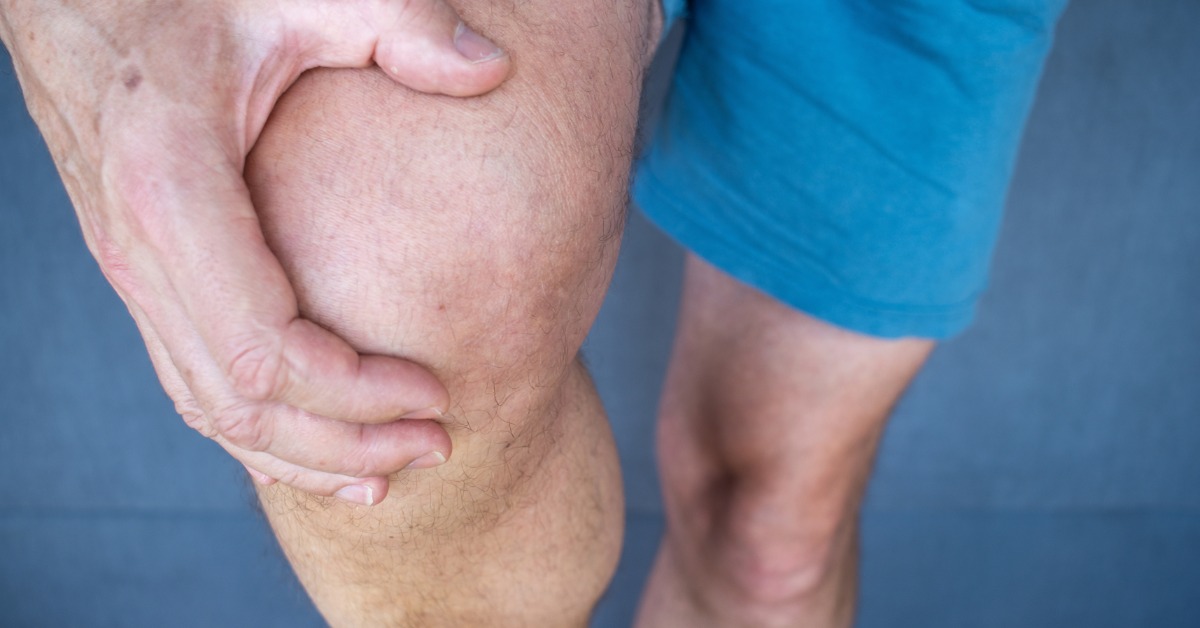
Movement changes in subtle ways that are easy to overlook until consistency slips. A step may feel less stable, transitions between positions may require more control, or familiar motions may demand more effort to execute cleanly. These changes point to how joint mobility impacts everyday movement, particularly when coordination across joints becomes less reliable during routine activity.
As joint function shifts, the body maintains movement by redistributing demand across other structures, which can change how force transfers through the system. These adjustments allow tasks to continue without interruption, though they reduce efficiency in ways that become more noticeable as physical demands increase.
Movement Is Coordinated, Not Isolated
The body does not move joint by joint, even during simple tasks that appear straightforward. Walking, bending, or turning requires multiple joints to coordinate timing, direction, and load transfer simultaneously, which creates movement that feels fluid instead of segmented. When that coordination holds, each region contributes without disrupting the sequence.
Once a restriction develops, even in a small area, the sequence continues but shifts in subtle ways. Force may travel differently, and timing between joints can change as the body adjusts to maintain balance during movement. These adjustments become more noticeable during tasks that involve shifting weight or changing direction, where coordination must remain consistent.
Everyday Activity Reveals What Controlled Movement Hides
Structured exercise limits variables, which allows movement to occur within predictable patterns that reduce the need for constant adjustment. Daily activity does the opposite, introducing variation through uneven surfaces, shifting loads, and continuous transitions between positions.
That difference reveals how well joints adapt in real time, particularly when the body must respond to changing conditions instead of repeating a fixed pattern. A person may complete a familiar exercise without issue yet feel unstable stepping off a curb or turning quickly, since those situations demand coordination across multiple joints without preparation. Movement still occurs, but it may feel less reliable under changing conditions.
Compensation Alters Movement Without Stopping It
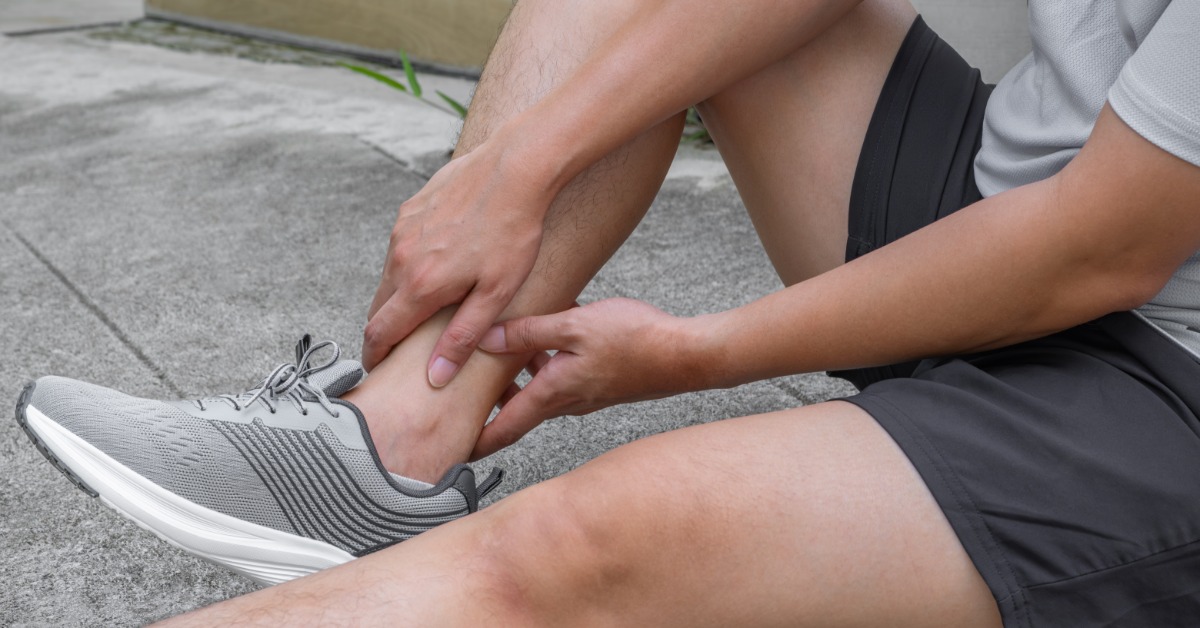
When a joint loses efficiency in its available range, the body maintains function by redistributing demand across surrounding structures that can sustain movement under the same conditions. That shift alters how force travels through the system, particularly as multiple joints compensate in sequence, which can change coordination and increase reliance on specific regions during repeated activity.
As compensation becomes more consistent within these patterns, the body reorganizes movement in a way that prioritizes continuity over efficiency. Movement may continue to appear unchanged from the outside, yet internal mechanics no longer follow the most direct or balanced pathway for force transfer.
Because these adaptations develop gradually, they often go unnoticed until movement feels less consistent or requires more effort during routine tasks.
Efficiency Changes Before Limitation Appears
The body can complete the same task in multiple ways, which means movement does not need to fail for efficiency to decline. A familiar activity may require more effort, rely on different joints, or feel less controlled, even though it remains possible to perform.
These differences become more noticeable during repetitive activity, when small inefficiencies accumulate and affect endurance. What once felt automatic may require more attention, particularly when coordination or sustained output becomes important.
Stability Adjusts to Support Changing Movement
When mobility decreases, the body increases stability through muscular tension, especially in areas that must maintain control during movement. This response preserves alignment in the short term, but it can limit how smoothly joints transition between positions.
As a result, movement may feel more rigid, particularly during tasks that require quick adjustments or coordinated shifts in direction. The body prioritizes control to maintain function, even when that control reduces efficiency.
Load Distribution Reflects Joint Function
Joint mobility influences how force spreads across the body, particularly during weight-bearing or repetitive movement. When joints move through their intended range, load distributes across multiple structures, which supports balanced movement and reduces stress on individual areas.

When mobility becomes restricted, that distribution changes and certain regions may absorb more force than intended. These shifts may not immediately create discomfort, yet they influence how the body responds to repeated demand and how quickly fatigue develops.
Gradual Changes Are Easy To Overlook
Mobility rarely declines in a way that is obvious from one day to the next. Instead, small changes accumulate as movement patterns repeat or as activity levels shift, which allows the body to adapt without creating a clear point of failure.
Because these changes occur incrementally, individuals sometimes continue performing the same tasks without recognizing how movement has changed. The difference becomes more noticeable when movement requires greater control, coordination, or endurance than usual.
Evaluating Movement Requires Context
Assessing joint mobility requires clinicians to evaluate how movement unfolds across multiple regions to understand where coordination changes and how those changes affect function.
This broader perspective reveals patterns that may not appear during isolated testing, particularly when multiple joints contribute to a limitation. Understanding how these interactions influence movement provides a clearer view of how mobility affects daily performance.
Restoring Mobility Means Rebuilding Coordination
Improving mobility requires restoring coordinated joint function, so movement reflects how the body operates under real conditions. The body must relearn how to manage load, timing, and positional changes across multiple joints, especially during tasks that involve transitions and shifting demand.
As coordination improves, movement becomes more efficient because force distributes more evenly across the system and compensation becomes less dominant in repeated patterns. Progress appears through greater consistency and control, which reflects how effectively the body integrates movement across coordinated patterns and reduces reliance on isolated changes in range.
Chiropractic Care in Movement
A chiropractor evaluates how joint restrictions influence movement patterns across the body and identifies where coordination, stability, and load distribution change. Care focuses on restoring joint function within the context of full-body movement, which allows for changes that extend beyond a single area.
By improving how joints interact during activity, treatment can support movement that feels more consistent and requires less compensation, particularly during tasks that involve repeated or sustained effort.
Supporting Better Movement Through Joint Mobility
Movement quality reflects how effectively the body coordinates motion across multiple joints under changing conditions, especially when tasks demand consistent control during shifts in position. A clear understanding of how joint mobility impacts everyday movement explains why performance can change even when strength and activity levels remain consistent.
For those seeking structured care, Synaptic Sports & Longevity provides access to a chiropractor in Las Vegas, NV who delivers physician-guided evaluations designed to support coordinated movement and reduce unnecessary strain during daily activity.