
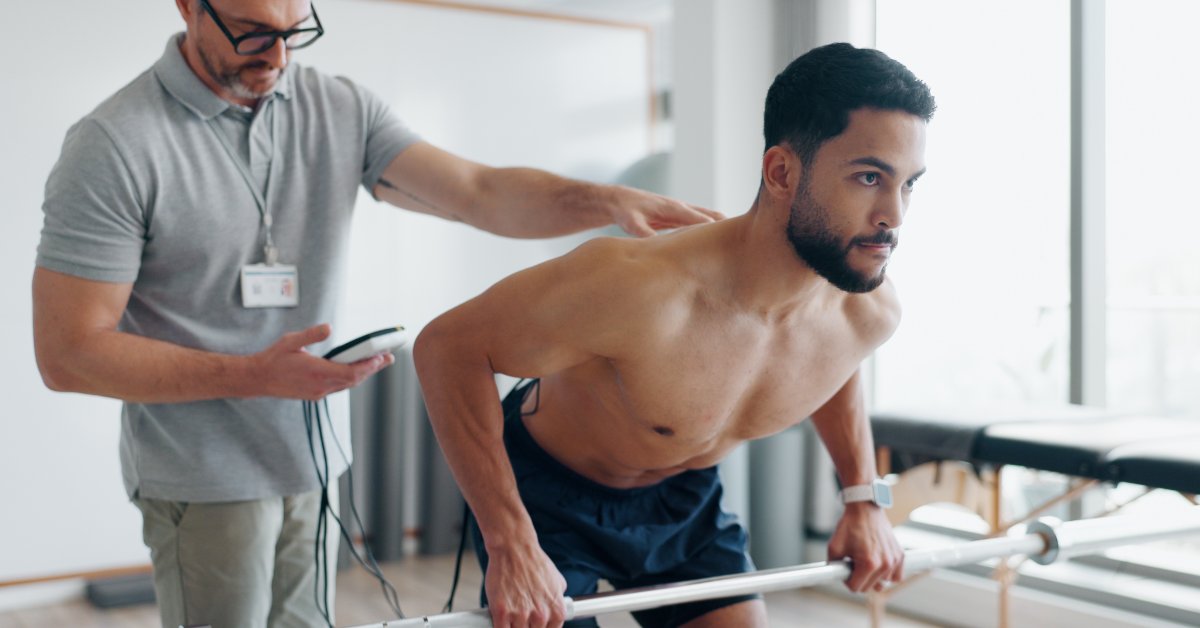
Recovery helps the body respond to the physical demands created by strenuous activity and prepare for what comes next. Athletes and active adults may use different techniques when soreness or restricted movement makes returning to normal activity more difficult.
The recovery techniques used in sports medicine address different aspects of that process, so the appropriate method depends on what someone is experiencing. Some approaches temporarily reduce physical demand, while others target a specific limitation that may be interfering with movement.
1. Active Recovery
Following a demanding workout with another high-intensity session can add more physical stress when the body has not fully recovered. Active recovery takes a different approach by using intentionally lower-intensity movement between harder bouts of exercise.
Walking, easy cycling, or lighter versions of familiar activities can allow someone to remain active without recreating the demands of a normal training session. The key distinction is intensity: an active recovery session should feel meaningfully easier than the exercise the person is recovering from.
How someone approaches the session can also reflect the activity that preceded it. Lowering the effort while keeping movement comfortable gives the athlete an opportunity to remain active without treating recovery as another workout to complete.
2. Mobility Work
Strenuous or repetitive activity can leave certain movements feeling more restricted than usual. Mobility work addresses how comfortably a joint moves through the range needed for exercise, training, or sport-specific actions.
Which area deserves attention depends on the movement that has become limited. Restricted ankle mobility can affect movements involving the lower body, while limitations around the shoulder may become more apparent during reaching or overhead activity.
When a restriction persists or interferes with normal activity, a sports medicine evaluation can provide more context than a general mobility routine. Identifying where the limitation occurs can help make mobility work more specific to the movement causing difficulty.
3. Soft-Tissue Techniques
Muscles and surrounding soft tissues experience repeated loading during exercise, especially during activities involving high force or frequent repetition. When tightness or discomfort begins interfering with normal movement, soft-tissue techniques may become part of the recovery process.
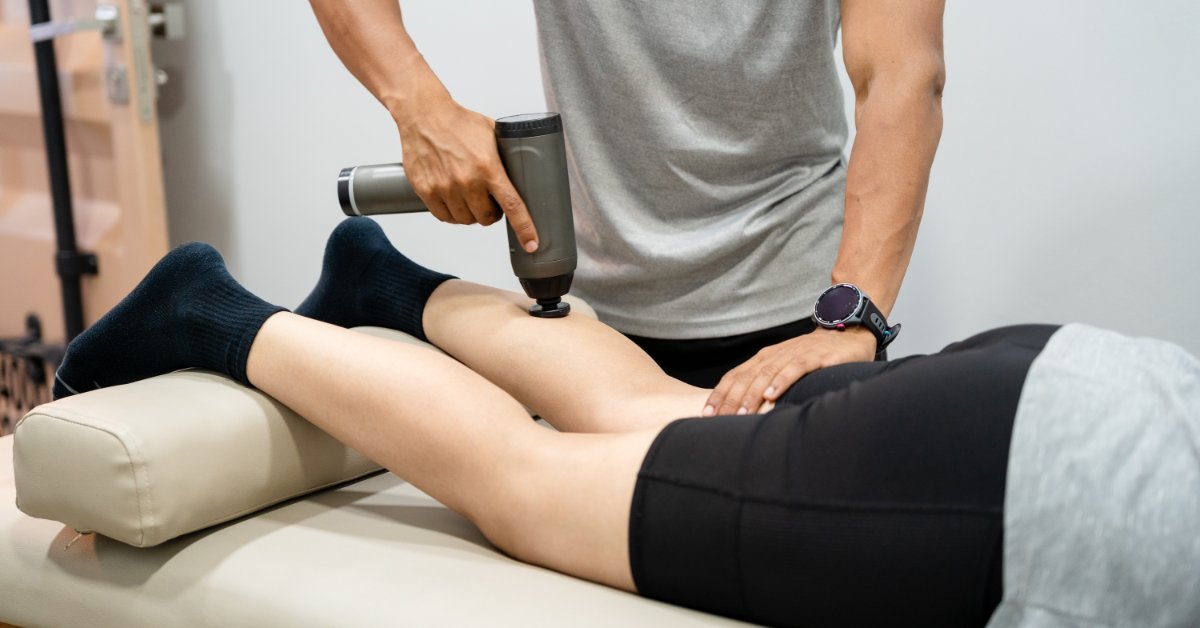
Hands-on approaches can focus on the area where the athlete experiences a restriction and how that area responds during movement. Sports medicine providers may incorporate these techniques when soft-tissue concerns appear relevant to the symptoms or functional limitation identified during an evaluation.
For active adults who repeat similar movements throughout training, the location of tightness may also determine where a provider focuses on treatment. Keeping the technique specific to the reported concern prevents soft-tissue work from becoming a generic addition to every recovery routine.
4. Compression Therapy
Compression therapy uses external pressure around part of the body, commonly through specialized garments or pneumatic compression devices placed around the legs. Athletes may encounter these devices after strenuous exercise as one option for post-activity recovery.
Unlike active recovery or mobility work, compression does not require the athlete to perform an exercise during the session. The equipment applies controlled pressure while the person rests, making the experience distinctly different from movement-based recovery methods.
The equipment itself can also vary, from wearable compression garments to devices that inflate and release pressure in cycles. Understanding which type someone is using matters because the experience and intended application are not identical across every form of compression.
5. Cold Therapy
Cold therapy ranges from applying cold to a localized area to methods that expose more of the body to lower temperatures. In sports settings, athletes commonly encounter cold-based approaches after strenuous activity or when an area feels sore following physical exertion.
Someone addressing discomfort in a specific area has a different objective from an athlete using a broader recovery modality after training, so the method and duration should match the intended use. Following appropriate guidance can also prevent unnecessary or excessive cold exposure.
6. Heat Therapy
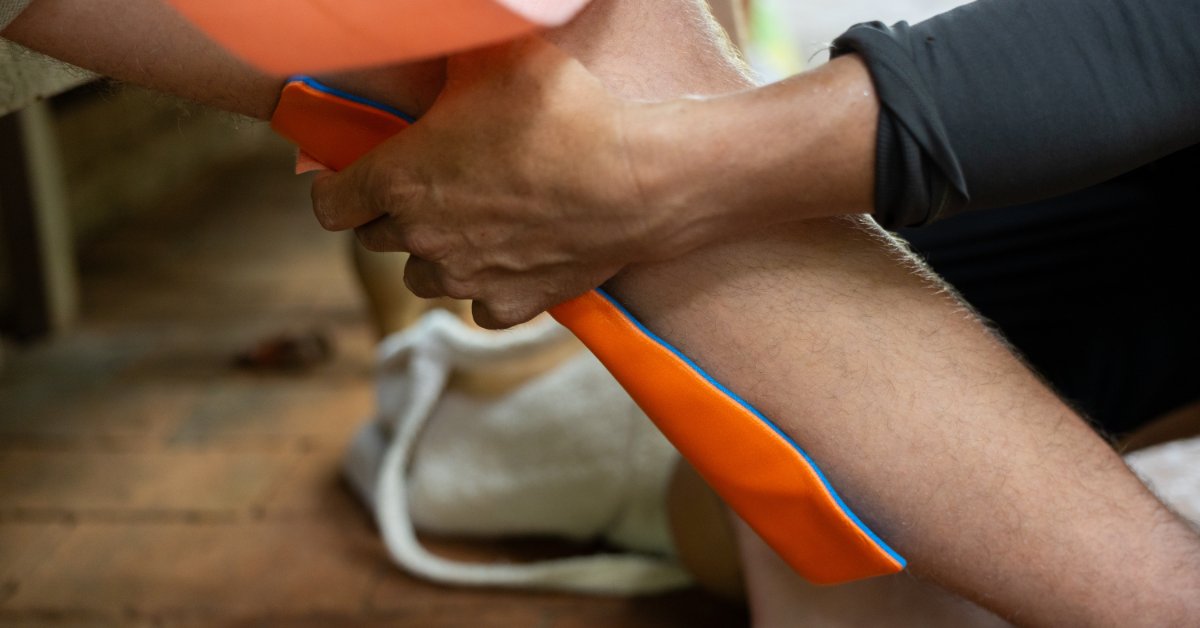
Where cold lowers tissue temperature, heat introduces warmth to an area before or after physical activity. Sports medicine providers may incorporate localized heat when warmth could help someone prepare for comfortable movement or complement mobility-focused care.
The point in a recovery routine when someone uses heat can influence how the technique supports the activity that follows. Using heat before movement may help someone prepare an area for activity, whereas its use during a recovery period may focus more on comfort before gentle movement or mobility work.
Because heat and cold create different physical conditions, choosing between them should begin with the reason for using the modality. Treating the two as interchangeable can overlook what the athlete is trying to address during that particular stage of recovery.
7. Recovery-Focused Technology
Sports medicine has expanded beyond exclusively hands-on and exercise-based recovery methods. Depending on the practice, providers may incorporate technologies, such as light-based modalities or pulsed electromagnetic field therapy, into a patient’s recovery care.
Each technology uses a different mechanism, so the reason for including one should come from the patient’s specific needs and the intended purpose of the modality. Technology can complement other recovery methods when appropriate without becoming a substitute for evaluating persistent pain or movement limitations.
8. Therapeutic Exercise
When soreness, weakness, or a movement limitation affects physical activity, therapeutic exercise can provide a more targeted approach than simply repeating a normal workout at lower intensity. The exercises selected can focus on restoring comfortable movement or rebuilding the physical capacity needed for a particular activity.
A sports medicine provider can adjust exercise difficulty as the patient’s function changes. Someone who initially struggles with a basic movement may begin with a more manageable version before progressing when that movement becomes easier to perform.
Therapeutic exercise also differs from general fitness training because the exercise has a specific functional purpose within care. The provider selects each exercise based on the limitation identified during evaluation and the physical demands the patient needs to manage.
Choosing a Recovery Technique That Fits the Situation
Although the recovery techniques used in sports medicine address different aspects of recovery, their usefulness depends on the concern someone is experiencing. General post-workout soreness may call for a different approach than a persistent mobility restriction or discomfort that continues to interfere with activity. When normal recovery does not resolve the concern, an evaluation can help identify the limitation and determine whether more targeted attention is appropriate.
At Synaptic Sports & Longevity, our physician-led approach considers each patient’s physical demands and recovery goals when developing personalized care. To determine whether our sports recovery therapy options may fit your needs, schedule a consultation with our team.